April 17, 2026
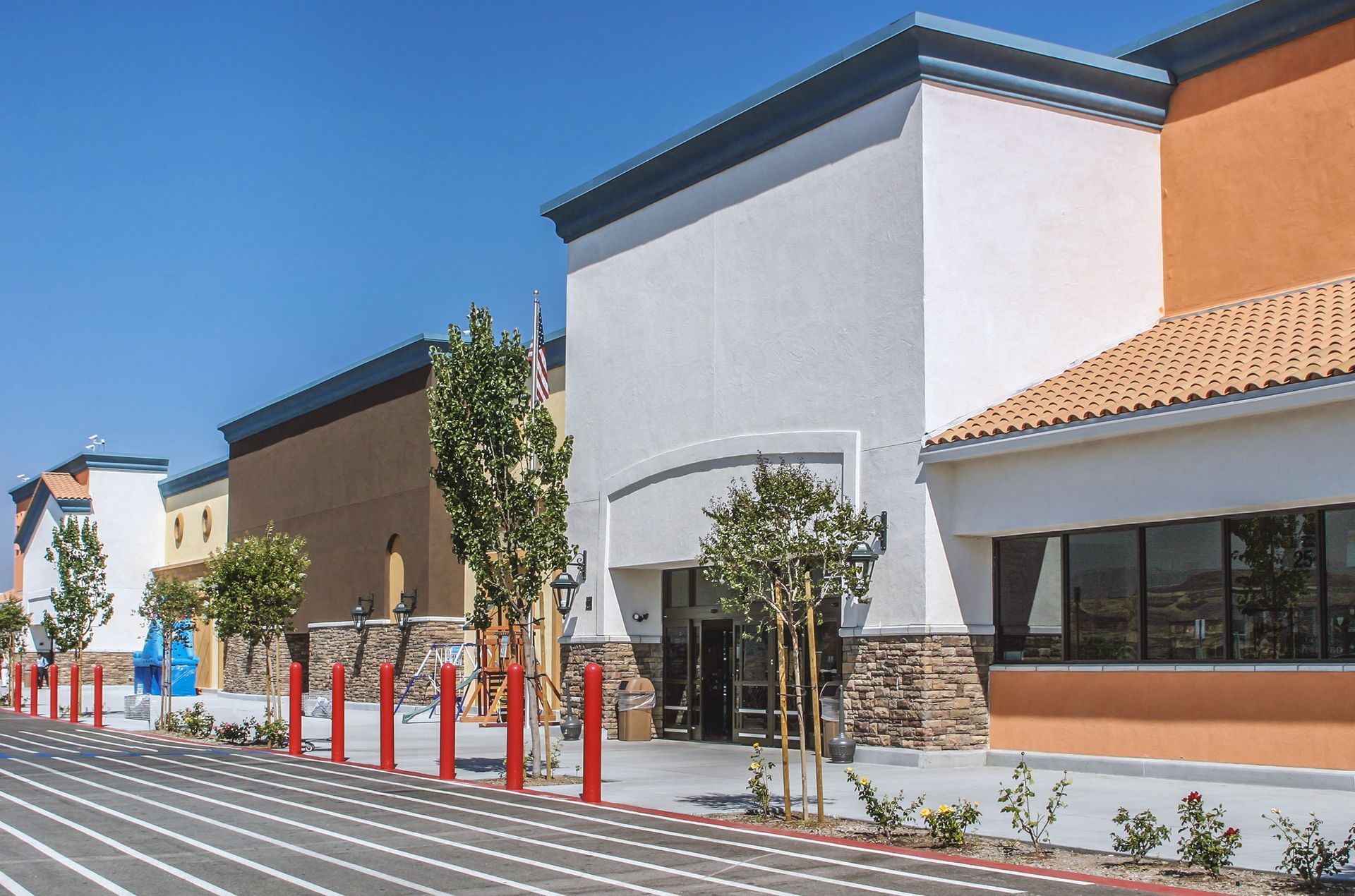
Local economic conditions, tenant expectations, and market dynamics continue to evolve in 2026, making strategic oversight of commercial assets more important than ever. Businesses depend on well-managed spaces to operate efficiently, attract customers, and maintain profitability. At the same time, property owners must balance occupancy, expenses, and long-term value. This is where local commercial property management plays a central role, aligning operational performance with broader business development goals.
Industry sentiment reflects a generally optimistic outlook despite ongoing adjustments in the market. According to AppFolio, research indicates that 77% of property managers expect their portfolios to expand in 2026, even as market conditions shift. That level of confidence underscores the importance of strong, localized management practices that can adapt to changing circumstances while supporting both tenants and investors.
Local Market Expertise and Commercial Growth
Understanding Regional Economic Trends
A deep understanding of local economic conditions is foundational to effective property oversight. Regional commercial property management teams are positioned to interpret shifts in employment trends, consumer behavior, and regional development patterns. These insights allow property managers to anticipate demand for specific property types, whether industrial, office, retail, or mixed-use.
Regional knowledge also supports more accurate rental pricing strategies. Setting lease rates too high can deter prospective tenants, while undervaluing space reduces potential revenue. A localized approach ensures that pricing reflects current market realities, helping maintain competitiveness without sacrificing profitability. This balance contributes directly to sustainable business development for both tenants and property owners.
Tailoring Property Strategies to Local Demand
Commercial properties are not one-size-fits-all assets. Each building serves a specific function, and its success depends on how well it aligns with local demand. Local commercial property management professionals can tailor leasing strategies, marketing efforts, and property improvements based on the needs of the surrounding business community.
For example, industrial and warehouse spaces may require different amenities and lease structures compared to retail storefronts or office environments. A localized management approach ensures that each property is positioned to attract the right tenants, minimizing vacancy periods and enhancing long-term stability. This targeted alignment plays a significant role in fostering business growth within the property.
Strengthening Relationships Within the Community
Strong relationships are a defining characteristic of successful property management. Local teams often have established connections with brokers, contractors, and service providers who understand the nuances of the regional market. These relationships streamline operations, from filling vacancies to coordinating maintenance and capital improvements.
In addition, maintaining open communication with tenants fosters trust and satisfaction. When tenants feel supported, they are more likely to renew leases and invest in their own business operations. This stability benefits property owners by reducing turnover costs and maintaining consistent occupancy rates, both of which are essential for long-term business development.
Operational Efficiency and Tenant Retention Strategies
Enhancing Tenant Satisfaction and Stability
Tenant retention is one of the most effective ways to sustain revenue and reduce operational disruptions. Local commercial property management prioritizes tenant satisfaction by addressing concerns promptly and maintaining a high standard of building services. Clean, well-maintained spaces create a positive environment that allows businesses to focus on their core operations.
Responsive management also plays a key role in lease renewals. When tenants experience consistent support, they are less likely to seek alternative locations. Retaining existing tenants reduces the financial impact of vacancies and the costs associated with marketing and preparing spaces for new occupants. This continuity directly supports business development by maintaining steady income streams.
Minimizing Vacancy and Turnaround Time
Vacancy management is a critical component of commercial property success. Empty spaces do not generate revenue, and prolonged vacancies can negatively impact a property's overall performance. Local commercial property management teams work proactively to minimize downtime by preparing spaces efficiently and leveraging networks of specialized brokers.
By connecting with professionals who focus on specific property types, managers can match available spaces with qualified tenants more effectively. This targeted approach reduces the time required to secure new leases, ensuring that properties remain productive assets. Faster occupancy cycles contribute to stronger financial performance and greater investment stability.
Coordinating Maintenance and Operational Oversight
Routine maintenance and operational oversight are essential for preserving property value. Local teams are well-equipped to manage vendor relationships, schedule regular inspections, and address issues before they escalate into costly repairs. This proactive approach not only protects the physical asset but also enhances the tenant experience.
Efficient maintenance operations also support compliance with safety standards and regulatory requirements. By ensuring that systems function properly and that buildings remain in good condition, property managers help mitigate risk for both tenants and owners. This level of oversight is a key factor in maintaining a reliable and attractive commercial environment.
Financial Performance and Long-Term Investment Value
Managing Budgets and Financial Reporting
Accurate financial management is fundamental to the success of any commercial property. Local commercial property management provides detailed reporting that allows property owners to monitor performance and make informed decisions. Regular financial statements, budget planning, and variance analysis help identify trends and opportunities for improvement.
This level of transparency ensures that property owners have a clear understanding of income, expenses, and overall return on investment. By maintaining consistent financial oversight, managers can implement strategies that enhance profitability while controlling costs. This disciplined approach supports both short-term stability and long-term growth.
Supporting Capital Improvements and Value Enhancement
Capital improvements play a significant role in maintaining and increasing property value. Whether upgrading building systems, renovating common areas, or re-configuring spaces for new tenants, these projects require careful planning and execution. Regional commercial property management teams coordinate every stage of the process, from scoping and permitting to contractor selection and project oversight.
Strategic improvements not only enhance the physical appearance of a property but also increase its appeal to prospective tenants. Well-executed projects can justify higher lease rates and attract businesses that contribute to a vibrant commercial environment. This ongoing investment in property quality is essential for sustained business development.
Aligning Management With Investor Objectives
Every commercial property operates within the context of an investment strategy. Local commercial property management aligns daily operations with the financial goals of property owners, ensuring that decisions support overall performance. This includes balancing tenant retention with market-rate leasing, managing expenses without compromising quality, and identifying growth opportunities.
Experienced management teams understand the interconnected nature of these factors. By addressing multiple components of the return on investment equation simultaneously, they create a cohesive strategy that maximizes value. This comprehensive approach is particularly important in 2026, where market conditions require both adaptability and precision.
The commercial real estate landscape in 2026 demands a strategic, localized approach to property management. From understanding regional market trends to optimizing tenant relationships and financial performance, local commercial property management serves as a critical driver of business development. By combining market insight with operational expertise, property managers create environments where businesses can thrive, and investments can grow.
As market conditions continue to evolve, the importance of localized knowledge and hands-on oversight will only increase. Property owners and tenants alike benefit from management strategies that are responsive, informed, and aligned with long-term goals. In this context, local commercial property management remains an essential component of sustainable success in the commercial real estate sector. To learn more about reliable commercial property management in the area, be sure to contact Realty Management Partners LLC!