October 31, 2026
Preventative Maintenance Is a Constant Thing
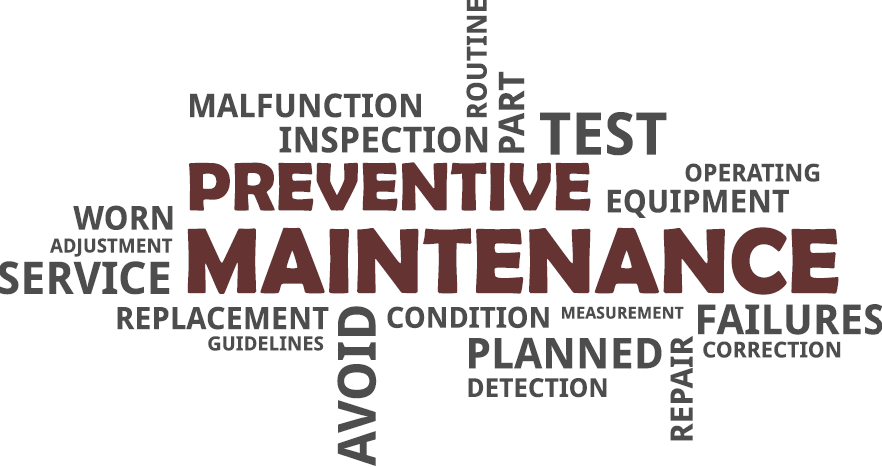
In real estate, preventative maintenance is a permanent line item. It may look different between commercial and residential real estate, but the guiding principles are the same for both. Realty Management Partners (RMP), a property and facilities management company, is dedicated to providing preventative maintenance for all its commercial and residential real estate clients.
Living in the Northeast, with distinct seasons and sharp weather contrasts, means there are significant tasks to preserve buildings and keep tenants safe. A stark example from winters past was when the temperature dropped to -33°F in Boston and hit a record low of -60°F in northern Maine. Manchester, New Hampshire, where RMP has its headquarters and where a large percentage of the properties and buildings it maintains are located, experienced frigid temperatures somewhere in between. For RMP’s president, Mr. Chuck Thibedeau, that meant walking through each building his company oversees. “There was not a building that we didn't walk through that Friday, just going through our checklist. Saturday, I literally was moving heaters myself,” he illustrates. Apart from the practical responsibilities of managing properties, his personal involvement is an RMP trademark, consistently demonstrating care. It goes beyond that, though. “It’s knowing the buildings and understanding their construction,” he relates. Chuck says that when you take the time to learn how each building is constructed, you better understand how to prepare for the effects of inclement weather. The benefit to clients is that this preparedness is shared.
One example, as with residential real estate, is that many of the water supplies come up underneath the sink, on outside walls. This is especially true of kitchens. From the aforementioned example, Chuck reports that when the anticipated, extreme cold snap was broadcasted on the news, in typical, proactive fashion, Chuck’s team sent out emails to tenants reminding them to please leave the cabinet doors under the sinks open to allow heat to get into that cavity, to avoid frozen pipes. “We also asked people to turn up their thermostats a couple of degrees, and we will all get through this cold spell together,” he says. The result? “We didn't have one call about frozen pipes,” he says with pride.
While this example is extreme, what often comes up during holiday or winter vacations is sending timely reminders to tenants to shut off their water supply, or asking tenants to notify the RMP team of time away so the team can visit the property and shut off the water supply.
Something that is known, but not often discussed, is the age of commercial and residential properties in the local area. “Construction wasn’t what it is today,” Chuck acknowledges. Commenting on insulation, he relates, “We live in New Hampshire. This is not the first time that we've had two days when the temperature dipped below zero. You've got to have an organized and complete way of dealing with these situations.”
A useful tool that Chuck finds effective is an infrared thermometer. This came in handy while inspecting an older school building, after being made aware of unusually cold air settling in from an unidentified source. Using the specialized thermometer, he went through the entire building and found a window that hadn’t been latched properly. Within an hour, the temperature increased from 29 degrees to over 60 degrees. “It’s knowing your buildings and understanding where you have weak spots and getting to every one of them,” Chuck asserts.
Knowledge of buildings is critical. Finding the right tools to pinpoint trouble spots is prudent. And safety is paramount. This is true of inspecting heaters. “It’s best to inspect the functionality of heaters long before you really need to use them on a daily basis. When you can confirm that they are in good working order and have proof, if they fail during a cold spell, building owners appreciate that a faulty occurrence is an irregularity,” he explains. If an inspection was not conducted and there was a cold spell, this could become a safety concern, depending on the type of building or tenant.
Ultimately, the RMP team minds the buildings and properties in its care with a view toward preventative maintenance. But how is this different from deferred maintenance? We'll discuss this topic in a future article.
#preventativemaintainence #commercialrealestate #redidentialrealestate #extremeweather #coldsnap #inclementweather #frozenpipes #construction #insulation #infraredthermometer #heaters #lifesafety #deferredmaintenance