November 11, 2026
Owning a condominium involves more than maintaining an individual unit. Shared spaces, building systems, financial responsibilities, and community standards all influence the property's overall condition and long-term value. Without consistent oversight, minor maintenance issues and financial problems can escalate into costly problems. Professional condominium management helps protect these investments by keeping communities financially stable, properly maintained, and appealing to current and future residents.
Maintaining Building Conditions and Shared Spaces
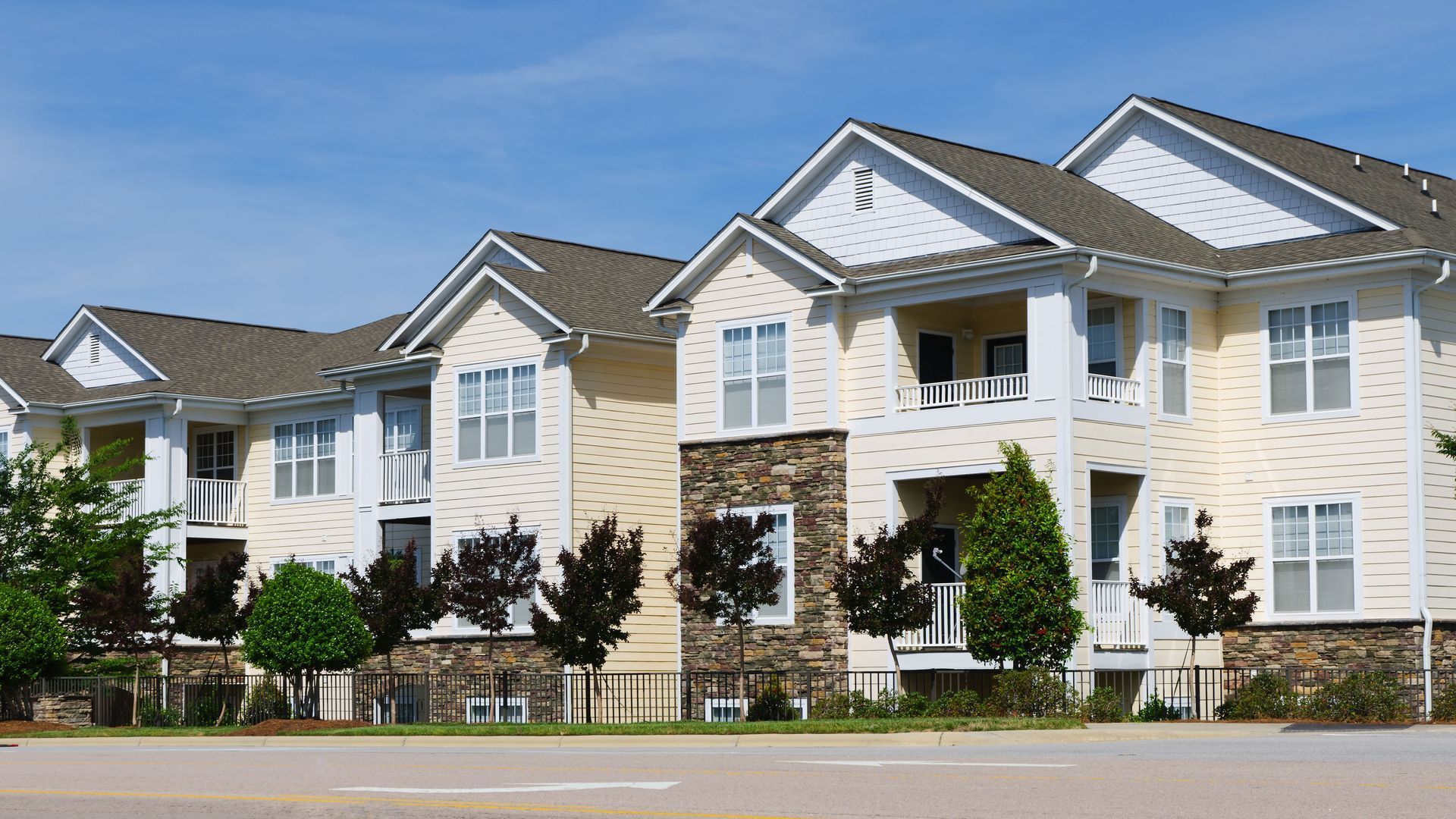
The condition of a condominium community plays an important role in determining its property values. Shared spaces, exterior features, parking areas, and building systems all contribute to residents' experiences and prospective buyers' impressions. When these areas receive inconsistent attention, visible deterioration and maintenance concerns can make the entire community less appealing.
Regular inspections and preventative maintenance help identify potential problems before they become more expensive to address. For example, addressing minor repairs, monitoring building equipment, and maintaining common areas can help preserve the property's overall condition.
A professional condominium management team coordinates maintenance operations and necessary repairs to keep shared spaces functional and presentable. Consistent upkeep also helps prevent deferred maintenance from creating larger financial burdens for the association. By prioritizing the property's condition, management professionals help protect the community's long-term appeal.
Managing Association Finances and Reserve Funds
Financial stability is another important factor in protecting condominium property values. Associations must collect fees, pay operating expenses, budget for maintenance, and prepare for future capital improvements. Poor financial planning can leave a community without sufficient resources when major repairs or replacements become necessary.
Strong financial management involves developing realistic operating budgets and maintaining appropriate reserve funds. These reserves help associations prepare for larger expenses, such as equipment replacements, building improvements, and other significant projects. Without adequate planning, communities may need to implement special assessments or increase monthly association fees to cover unexpected costs.
Professional condominium management provides boards with financial oversight and guidance when making budgetary decisions. Managers can help monitor expenses, evaluate reserve needs, and prepare budgets that account for both immediate responsibilities and long-term goals. Responsible financial planning helps maintain stability while making the community more attractive to prospective buyers.
Coordinating Timely Repairs and Preventative Maintenance
Unresolved maintenance problems can negatively affect both individual units and the entire condominium community. Leaks, damaged equipment, deteriorating common areas, and other concerns may become more expensive when repairs are delayed. These issues can also affect residents' comfort and confidence in the association's ability to maintain the property.
A proactive maintenance strategy focuses on identifying concerns early and coordinating appropriate repairs. Rather than waiting for equipment or building components to fail, management professionals can arrange inspections and monitor areas that may require attention.
Experienced condominium management teams also coordinate relationships with qualified vendors and maintenance providers. This helps ensure that necessary work is scheduled, completed, and appropriately followed up on. Timely repairs can reduce the likelihood of extensive damage, minimize disruptions, and help preserve the condition of shared property features.
Supporting Compliance and Consistent Community Standards
Condominium associations must comply with applicable regulations and maintain community policies that serve the interests of residents and property owners. Inconsistent enforcement or inadequate attention to compliance can lead to disputes, financial issues, and operational challenges.
Clear community standards also contribute to the overall appearance and functionality of a condominium development. Rules regarding shared spaces, property maintenance, and resident responsibilities help establish consistent expectations throughout the community.
Professional management provides guidance and organizational support to help condominium boards address these responsibilities. Managers can assist with communication, policy enforcement, and local regulatory considerations. Consistent oversight helps reduce misunderstandings while supporting an orderly community environment.
When residents understand their responsibilities and expectations are applied fairly, the association is better positioned to maintain a positive living environment. This consistency can also reassure prospective buyers that the property is being managed responsibly.
Improving Communication and Resident Satisfaction
Resident satisfaction can influence the overall desirability of a condominium community. When homeowners feel that their concerns are ignored or maintenance requests go unresolved, frustration can develop. Poor communication between residents and association boards may also lead to disagreements that affect the community's atmosphere.
Effective management establishes reliable communication between homeowners, board members, vendors, and other involved parties. Residents should understand how to report concerns, receive updates, and access important community information. Regular communication also helps ensure that homeowners are aware of upcoming maintenance projects, financial decisions, and changes affecting shared spaces.
Professional condominium management helps streamline these interactions by providing consistent follow-up and organizational support. Management teams can also assist boards with meeting preparation, agendas, meeting notices, and follow-through on assigned responsibilities.
A well-informed community is often better equipped to address concerns constructively. Maintaining positive relationships among residents can strengthen the community's reputation and make the property more appealing to prospective buyers.
Planning Capital Improvements and Long-Term Investments
Condominium properties require ongoing investment to remain functional, attractive, and competitive in the real estate market. Building components and shared amenities experience wear over time, making capital improvements an important part of long-term property planning.
Associations that postpone necessary improvements may eventually face more expensive repairs or replacements. Planning ahead allows boards to evaluate upcoming needs, establish realistic budgets, and prioritize projects based on their importance.
A professional condominium management team can help coordinate capital replacement planning and oversee improvement projects. This may include obtaining vendor bids, evaluating project costs, scheduling work, and monitoring progress. Larger projects may also require additional construction management support.
Taking a long-term approach helps associations make informed decisions about where to allocate resources. Strategic improvements can preserve building conditions, enhance shared spaces, and support the community's overall market appeal.
Maintaining a Community That Retains Its Value
Strong condominium management brings together several responsibilities that directly influence a property's long-term condition and desirability. From financial planning and maintenance coordination to resident communication and regulatory compliance, consistent oversight helps communities operate more effectively.
The importance of these responsibilities continues to grow as condominium living becomes more common. According to Builder Magazine, approximately 17% of Americans live in apartments or condominiums. This highlights the significance of well-managed residential communities and the need to maintain properties that meet residents' expectations.
Property values are also influenced by how a community presents itself to prospective buyers. Clean common areas, functional amenities, attractive landscaping, and well-maintained building exteriors can all contribute to a positive impression. When these features receive consistent attention, the property is more likely to remain appealing in a competitive housing market.
Professional management helps establish clear priorities for maintaining shared spaces and addressing concerns before they affect the community's overall appearance. It also supports consistent standards across the property, helping residents and prospective buyers recognize the value of the association's ongoing efforts.
Take the Next Step Toward Protecting Your Condominium Community
Protecting property values requires more than responding to problems as they arise. A proactive management approach helps condominium associations stay ahead of maintenance needs, maintain financial stability, and create a community residents feel confident calling home. With the right support, your association can make informed decisions that benefit both current residents and future owners.
Managing these responsibilities internally can place considerable demands on board members, particularly when they must balance association decisions with their personal and professional commitments. An experienced management partner can provide guidance, administrative support, and consistent follow-through, allowing board members to focus on the community's broader priorities. This partnership can also help establish more organized processes for handling requests, coordinating vendors, and keeping association business moving forward.
Give your community the attention and professional oversight it deserves. Contact Realty Management Partners today to discuss your association's needs and learn how its condominium management services can support effective operations and your community's long-term success.