August 11, 2026
A successful condominium community depends on much more than attractive buildings and well-maintained landscaping. Long-term value is built through consistent planning, responsible financial oversight, routine maintenance, and effective communication among residents, board members, and service providers. Every decision made within a community has the potential to influence property values, resident satisfaction, and the overall appearance of the neighborhood. Without organized leadership, even small issues can gradually become expensive problems that affect everyone. Professional management helps communities stay proactive by coordinating maintenance, supporting daily operations, and assisting boards with important administrative responsibilities. These ongoing efforts create a cleaner, safer, and more organized environment where homeowners can enjoy their investment with greater confidence. Effective condominium management also helps preserve shared assets while preparing the community for future needs. Understanding how professional management contributes to long-term success demonstrates why it remains an essential part of maintaining thriving condominium communities.
1. Maintain Common Areas Consistently
Common areas are among the most visible features of any condominium community and often shape first impressions for both residents and visitors. Hallways, entrances, sidewalks, parking lots, clubhouses, pools, fitness centers, and landscaped spaces all require ongoing attention to remain clean, safe, and functional. Routine inspections allow maintenance needs to be identified before they become larger and more expensive problems. Scheduled cleaning and timely repairs help preserve the appearance of shared spaces while reducing unnecessary wear over time. Maintaining these areas also improves the daily experience for residents who rely on them throughout the year. Well-kept amenities encourage greater community pride and help create a welcoming atmosphere for guests and prospective buyers. A consistent maintenance schedule also minimizes unexpected disruptions caused by emergency repairs. Professional condominium management helps organize these responsibilities so common areas continue supporting the community's long-term appeal.
2. Manage Financial Resources Responsibly
Strong financial management is one of the foundations of a successful condominium association. Annual budgeting allows communities to prepare for operating expenses while setting aside reserve funds for future capital improvements. Careful financial planning helps reduce the likelihood of unexpected assessments that may place additional financial burdens on homeowners. Managers often assist boards by organizing financial reports, monitoring expenses, and coordinating payment schedules for vendors and contractors. Reserve studies help communities anticipate future projects involving roofs, paving, elevators, or other major infrastructure. According to Mordor Intelligence, residential properties accounted for 49.35% of the U.S. property management services market in 2025, highlighting the important role residential communities play within the industry. Transparent financial reporting also helps homeowners understand how association funds are being managed. Responsible condominium management supports financial stability while helping communities prepare for future needs with greater confidence.
3. Coordinate Maintenance and Repairs Efficiently
Every condominium property requires regular maintenance to remain safe, attractive, and fully functional. Coordinating contractors, scheduling repairs, responding to maintenance requests, and monitoring completed work can quickly become overwhelming without organized oversight. Prompt attention to maintenance concerns helps prevent minor issues from developing into larger structural or operational problems. Preventative maintenance schedules also reduce the likelihood of unexpected equipment failures or emergency repairs. Managers work with qualified service providers to coordinate projects while minimizing inconvenience for residents whenever possible. Detailed maintenance records help track completed work and identify recurring concerns that may require long-term solutions. Organized repair coordination improves efficiency while supporting consistent property upkeep throughout the year. Professional condominium management helps ensure maintenance responsibilities are handled in a timely and systematic manner.
4. Support Effective Board Leadership
Condominium boards are responsible for making decisions that affect the financial health, appearance, and operation of the community. Professional managers provide valuable administrative assistance that allows board members to focus on planning rather than daily operational tasks. Meeting preparation, recordkeeping, vendor coordination, and policy implementation all require careful organization. Managers also help maintain important association documents and facilitate communication between board members and homeowners. Access to organized information allows boards to make informed decisions regarding maintenance priorities, budgeting, and future improvements. Professional guidance also helps associations remain consistent when implementing community policies and procedures. Well-supported boards are often better equipped to address both routine responsibilities and unexpected challenges. Effective condominium management strengthens leadership by providing reliable operational support.
5. Improve Communication With Residents
Clear communication plays a significant role in creating a positive living environment within any condominium community. Residents appreciate receiving timely updates regarding maintenance projects, community events, policy reminders, and scheduled meetings. Open communication reduces misunderstandings while encouraging homeowners to remain informed about important community matters. Managers often coordinate newsletters, digital notices, announcements, and other communication methods that keep residents connected. Responding promptly to homeowner questions also contributes to stronger relationships throughout the community. Effective communication helps residents understand upcoming projects and temporary disruptions before work begins. Well-informed homeowners are often more engaged in community activities and governance. Strong condominium management supports consistent communication that benefits both residents and association leadership.
6. Encourage Preventative Property Care
Preventative maintenance helps communities avoid many costly repairs that result from neglected infrastructure. Routine inspections identify worn roofing materials, drainage concerns, damaged pavement, aging mechanical systems, and other developing issues before they become serious problems. Addressing maintenance concerns early often reduces repair expenses while extending the lifespan of community assets. Seasonal inspections also prepare the property for changing weather conditions that may affect building performance. Planned maintenance allows contractors to complete repairs under more favorable conditions rather than responding to emergencies. Consistent upkeep helps preserve both the appearance and structural integrity of shared facilities. Preventative care supports safer living conditions while protecting long-term investments made by homeowners. Professional condominium management helps organize maintenance programs that keep communities operating efficiently throughout the year.
7. Strengthen Community Appearance
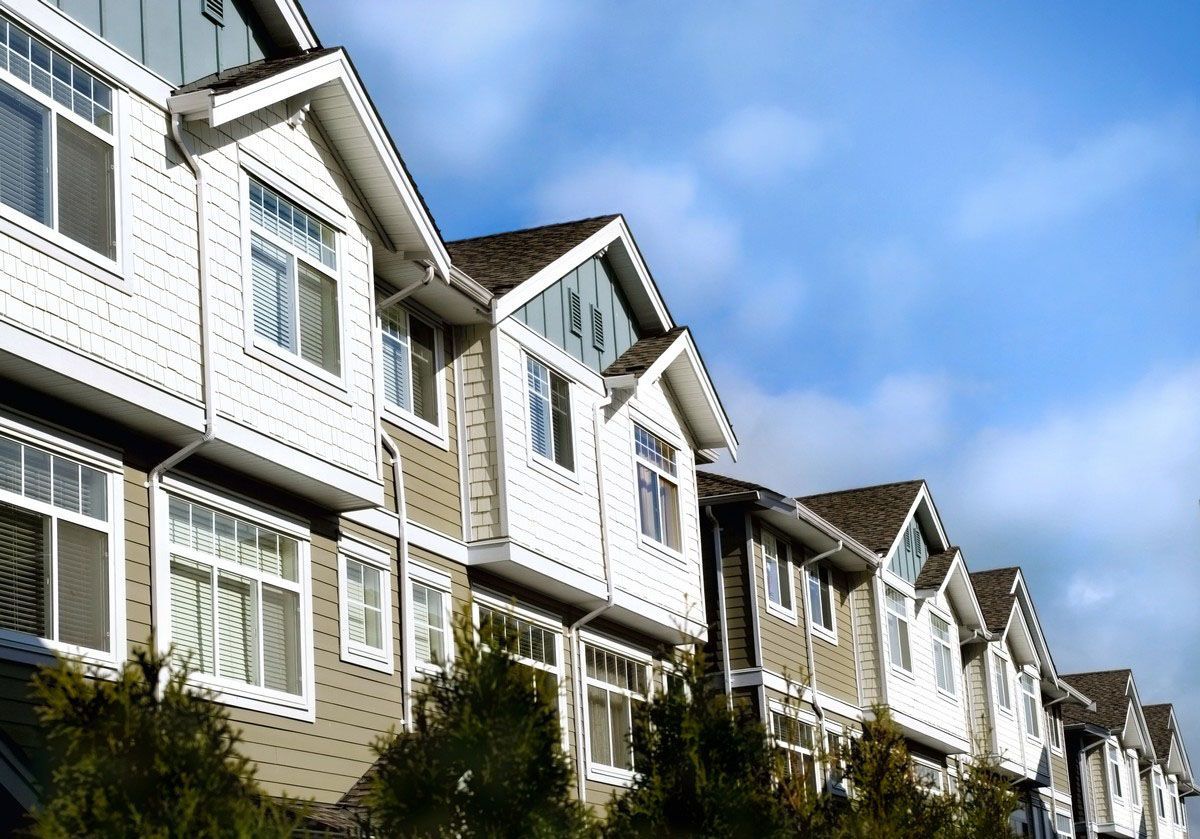
The visual appearance of a condominium community contributes directly to homeowner satisfaction and overall property appeal. Clean landscaping, well-maintained buildings, attractive entrances, and properly maintained amenities create an inviting environment for residents and guests alike. Exterior improvements completed on a consistent schedule help preserve the community's character while reducing visible signs of aging. Attractive common areas also encourage homeowners to take pride in their property and support community standards. Prospective buyers often notice how well a neighborhood has been maintained when evaluating potential homes. Consistent attention to appearance helps communities remain competitive within the local housing market. Maintaining curb appeal benefits current residents while supporting future property values. Effective condominium management coordinates these ongoing improvement efforts to maintain a cohesive and attractive community.
8. Preserve Long-Term Community Value
Long-term property value depends on consistent planning rather than occasional improvements. Financial stability, preventative maintenance, organized operations, and strong communication all contribute to a healthier and more resilient condominium community. Addressing concerns before they become larger problems helps preserve shared assets while reducing future repair costs. Residents benefit from living in neighborhoods where buildings, amenities, and common areas receive ongoing professional attention. Organized management also helps associations prepare for future improvements without sacrificing current operational needs. Communities that remain proactive are often better positioned to adapt as infrastructure ages and maintenance priorities change. Protecting property value requires continuous effort rather than short-term solutions. Professional condominium management provides the structure necessary to support stable, attractive, and well-maintained communities for years to come.
Maintaining a successful condominium community requires careful planning, consistent communication, and experienced oversight. Realty Management Partners provides professional management services designed to support condominium associations through effective financial planning, maintenance coordination, administrative assistance, and long-term operational guidance. Contact Realty Management Partners today to learn how experienced property management can help protect your community's value while supporting a well-maintained and organized living environment.